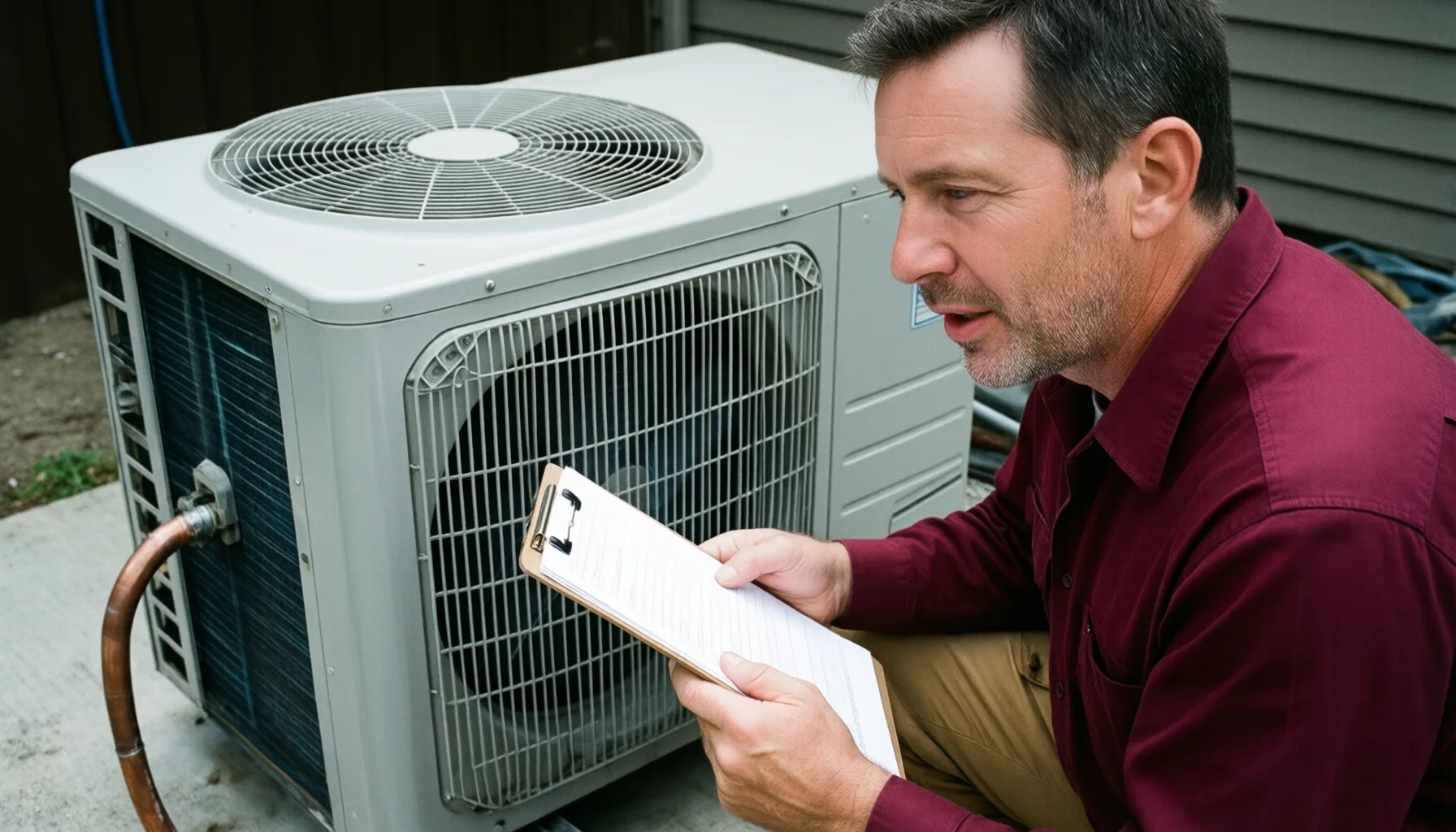
When Should Miami Homeowners Replace Instead of Repair Their AC?
Published: 2026-10-14 · By AC Repair by BreezeBliss
Miami's sweltering heat can be relentless, especially during those peak summer months. Imagine your air conditioning unit, which has kept your home cool and comfortable, suddenly faltering in the midst of a tropical storm. With high humidity levels and corrosive salt air, homeowners may often face the dilemma: is it time to replace the AC or can it be repaired? Knowing the right steps to take can make all the difference in keeping your family comfortable and your home protected from further damage.
Why This Matters for Miami Homeowners
Homeowners in Miami face unique challenges due to the local climate. The combination of high humidity and salt air can intertwine to corrode metal components in your air conditioning system faster than in more temperate regions. If your AC has frequent breakdowns, this could be a signal of underlying issues that may lead to a full replacement.
Moreover, seasonal storms can exacerbate already existing weaknesses in your unit. This can be particularly problematic as many properties here often have elevated foundations and moisture barriers. A malfunctioning AC during a storm can lead to significant discomfort, increased humidity, and potential damage to your indoor environment.
Always consult with experts who recognize Miami's specific environmental stressors when evaluating your air conditioning options.
Expert Solutions & Actionable Tips
1. Evaluate Unit Age and Efficiency
When considering replacement, the age of your air conditioning unit is one major factor. If your system is over ten years old, it may be time to assess its efficiency. A new model equipped with the latest technology could reduce energy bills by 20-40%. With Miami’s heat, this can mean significant savings during the hottest months.
Additionally, older units often struggle to manage humidity levels, making your environment uncomfortable. A replacement can ensure better regulation for your family’s health and comfort.
2. Consider Repair Costs vs. Replacement
AC repairs can vary widely, typically ranging from $200 to $1,500 depending on the issue. However, continuous repairs can add up, and if the cumulative repair expenses approach 50% of a new unit's cost, it may be more economical to invest in a replacement. In Miami, where units often endure salt exposure, replacement parts can also be pricier, making this calculation vital.
Have a clear breakdown of potential repair vs. replacement costs before making your decision.
3. Assessing Indoor Air Quality
A well-functioning AC unit substantially affects air quality. If you notice increased humidity, musty odors, or persistent allergies, these could signal that your air conditioning system is failing to purify the air effectively. Investing in a replacement ensures you have a system that can tackle Miami's specific air quality challenges.
Consider modern systems that include advanced filtration technologies for cleaner indoor air.
4. Check for Frequent Breakdowns
If your air conditioner requires constant repairs, this is a strong indicator of a system nearing the end of its lifespan. Frequent issues not only disrupt comfort but can also cause your energy bills to skyrocket. A replacement might be a more effective long-term solution under these circumstances.
Take note of how often your unit fails; if repairs are becoming routine, it’s good to create a plan for replacement.
5. Understand Local Building Codes
Miami has specific building codes, especially concerning HVAC installations. Before replacing your system, you need to verify compliance with local regulations, which can ensure improved efficiency and functionality. This can include decisions surrounding system type and placement, particularly in homes elevated from flood level.
Consult with professionals who understand Miami’s regulations to ensure a seamless replacement process.
6. Establish an Emergency Plan
Given Miami's propensity for tropical storms, it’s wise to have an emergency plan for your cooling system. This includes understanding what backup resources are available if your AC fails during critical heat periods. Replacement systems often provide better reliability and warranty options, ensuring you have peace of mind throughout storm season.
Invest in timely replacements to avoid the stress of breakdowns when you least need them.
Miami Climate & Local Context
Miami's coastal climate is characterized by high humidity and salt air, which significantly affects residential construction and air quality. Many homes in the area feature elevated foundations to combat flooding, necessitating efficient air conditioning systems to regulate moisture indoors. These homes often face unique challenges as salty air compounds the wear and tear on AC components, leading to premature deterioration.
Additionally, during hurricane season, local homeowners must be especially vigilant about maintaining their cooling systems, as power outages or system failures can lead to uncomfortable living conditions. Many properties also need to comply with local building codes, ensuring that any new system not only fits seamlessly into your existing setup but adheres to Miami's specific requirements.
When to Call a Professional
Understanding when to attempt repairs versus calling a professional is vital for Miami homeowners. Complex systems can carry nuances best addressed by experienced technicians familiar with the local environment. Some DIY repairs may seem feasible, but many situations require professional expertise to avoid further complications.
- Outdated or inefficient units
- Frequent cycling on and off
- Unusual noises or odors
- Inconsistent cooling throughout your home
- Water leaks or pooling around the unit
- New energy bills that spike unexpectedly
- System age approaching ten years
- Broken or burnt-out capacitors
Always prioritize professional assessment for any of these red flags to maintain comfort and safety in your home.
Frequently Asked Questions
What signs indicate my AC should be replaced?
Frequent repairs, substantial age, and noticeable drops in indoor air quality are strong indicators that your AC may need replacement.
How can I maintain my AC system in Miami's climate?
Regular inspections, changing filters every 1-3 months, and keeping outdoor units clear of debris can extend your system's life.
Are there specific permits required for replacement?
Yes, any significant AC replacement might require local permits. Consulting with local professionals ensures compliance with Miami's building codes.
What is the average lifespan of an AC unit in Miami?
Typically, around 10-15 years, though salt air can negatively impact this average and lead to shorter lifespans.
Can I install a new air conditioning system myself?
Most installations require professional expertise, especially in Miami's unique environment, to ensure proper setup and compliance with local codes.
Get Expert Air Conditioning Repair Service in Miami
Don’t wait until your air conditioning system fails in the midst of a humid Miami summer. If you’re unsure whether your unit should be repaired or replaced, call (786) 661-3319 for expert guidance from AC Repair by BreezeBliss. We’re here to help you navigate your options and maintain comfort in your home.
Ensure your family stays cool and safe—reach out today to schedule your consultation!